Download Abe's Guide to the Raised Garden Bed: How to Build A Raised Bed Vegetable Garden and Greenhouse - Abe Edwards | PDF
Related searches:
How to Build a Raised Garden Bed: Step by Step Guide The
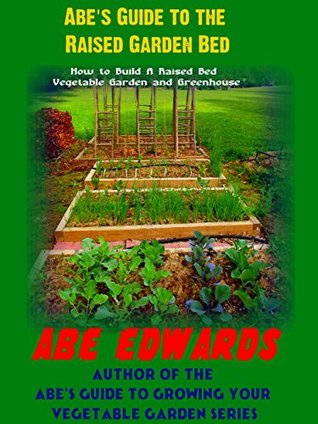
Abe's Guide to the Raised Garden Bed: How to Build A Raised Bed Vegetable Garden and Greenhouse
Gardener's Guide to the Raised Bed Garden - YouTube
15 Raised Bed Garden Design Ideas - The Spruce
Outdoor Garden Tools - The Lowest Price from $16.95
The ultimate guide to raised beds The Impatient Gardener
Gardener's Guide to the Raised Garden Bed: Home Grown
Beginner’s Guide to Fertile Soil and Raised Garden Beds
How to Build a Raised Garden Bed - The Home Depot
How to build a raised bed in your garden The Independent
Finding the Best Raised Bed Kit Earth911
The ultimate guide to raised beds - Garden Ninja Ltd Garden
Raised Bed Garden Design Tips Growing In The Garden
Raised Garden Beds Keep The Critters - Good Living Guide
Raised Bed Gardening: The ultimate beginner's guide, learn
My guide to building and planting in raised beds - David Domoney
In the front of your raised bed, plant oregano, cilantro and parsley. In the middle of your raised bed, thyme and sage and rosemary. Once your herbs are mature, be sure to harvest a little every few days to keep the plants producing.
Raised bed gardening: the ultimate beginner's guide, learn how to grow a lush garden in wooden, plastic or brick containers to grow fruit or vegetables, with the use of effective craft techniques.
The best location for a raised bed another factor you must consider when mountain a raised bed on grass is the location. It is not advisable to put a raised bed just anywhere on the lawn. You must understand that vegetables require between 8 to 12 hours of sunlight daily if they are to be productive.
Second, a raised bed, which is essentially an extra-large planter, is filled with lightweight “fluffy” soil that’s superior to typical garden soil, so plants grow faster and are healthier.
The new raised bed vegetable garden before the fence was installed. Usually you can plant closer in raised beds than you might in an in-ground garden because the soil is dialed in and fertile. Take advantage of every square inch by doing succession planting and using fast-growing crops to fill in while something else is maturing.
Building your own raised garden bed can be a simple diy project. We may earn commission from links on this page, but we only recommend products we back. Why trust us? add flowers, herbs, or veggies to even the smallest patio.
If your raised bed is being built against a wall or fence, we recommend making it 2 to 3 feet wide, since you’ll only be able to access the garden from one side. So, your raised bed can be 4 x 4 feet or 4 x 8 feet or 4 x 12 feet. Make your bed as long as you like or build multiple raised beds for different crops!.
The list of reasons for switching to raised vegetable garden beds is long, but these are the main advantages: tending raised plants is a lot easier on the back and knees. You can fill planters with top-quality soil for more productivity in a smaller space.
This raised bed guide will explain exactly when and how to use raised beds for successful gardening. Raised beds can be used in nearly all gardens regardless of the condition, or even absence, of soil. It allows you to build up and choose the soil you need for the plants or vegetables you want to grow.
Fill the bed with good-quality garden soil and compost, and rake the surface smooth and level. Plants in raised beds may be spaced a little closer together because there's no need to allow for walking space as in a row garden.
Raised bed gardening is a simple technique that can improve the health and productivity of your garden. Raised beds have better soil structure and drainage, allowing the soil to warm up earlier in the season, and giving you a head start on spring. Stubborn perennial weeds can be less of a problem in raised beds than in other gardens.
The first step in knowing how to build a raised garden bed involves finding a location with two important garden features: sunlight and water.
In general, the more soil depth that's available to your plants, the more freely their roots will grow. More soil also holds more moisture, so a deeper raised bed will require less frequent watering. It is possible to install a raised bed on poor or compacted soil, or even on concrete.
Row spacing is meant to giving you a walking path between plants, you shouldn’t be walking in a raised garden. When you grow a garden in a raised garden bed, the purpose of the bed is to condense your growing area to a point that you can reach all plants, without having to step into the growing area.
The main advantage is you can completely control the quality of the soil you have to work with. Video playback not supported more and more people are using raised beds in their gardens.
My real purpose of utilizing raised beds is to prevent surface water from lying in the garden area, and the material.
Raised bed gardening - a guide to growing vegetables in raised beds is for anyone who wants to learn more about raised bed gardening; a back and disability friendly way to increase productivity from your vegetable patch!.
I like to plant garlic in one of my raised beds in the fall, but keep in mind you won’t be able to plant in that garlic space until about july. A 4×8 raised bed vegetable garden layout of my grocery list faves.
If the raised beds are mounded and unlined, paths within the beds should be 2 to 3 feet wide for easy access with garden tools. To prevent soil compaction, never walk on beds once constructed. Wide to provide easy access to the middle for gardening tasks.
Most raised beds range from 6 to 12 inches, with some as high as 36 inches. In general, the worse the underlying soil, the deeper you will want a bed to maximize the amount of good soil available to plants. Deeper beds hold more soil and, thus, more moisture, reducing watering needs.
When making a raised bed instead of going in-ground, you can place it where the sun or shade is sheet metal raised beds. Another great advantage of raised bed gardens is that they sit well above the underground frost square foot raised.
Gardening doesn’t have to be backbreaking when your garden bed is raised! there are several things that can hinder proper gardening including erosion, bad soil, and intrusive tree roots.
Your new permanent garden structure will naturally raise the beds a little higher than the compacted soil of the paths, but you can till the paths and shovel the loose soil onto the beds to raise.
Watch tips for a raised-bed vegetable garden from hgtv raised vegetable garden 03:11 raised vegetable garden 03:11 check out this plan for a raised garden bed with an eco-friendly element.
Here’s how: on the inside of each of the long (8-foot) sides of the raised bed, evenly space three of your 12-inch pieces of 1/2-inch pvc pipe. Set those pipes upright against the bed sides, making sure that each pvc pipe has a parallel pipe mirroring it across the bed (so each pair can act as support tubes for the hoops).
Raised bed gardening is an organic growing method which allows you to grow a larger, more plentiful harvest with less cost, in less space, using less water and seeds, and less work than traditional gardens. • growing your own garden helps families improve their health through better nutrition. • with raised garden beds, plant placement is done differently than in traditional row gardens, allowing you to grow five times as many crops as traditional gardens.
They last for only for one growing season, so you can grow something different in the same space next time around. Some annuals you might want to grow in your raised bed garden are petunias, pansies, basil, lemongrass, and vegetables like tomatoes, potatoes, peppers, squash, and onions. Bonus tip: to help reduce the chance of disease and pests, you don’t want to grow annual vegetables in the same spot year after year.
How to plant a raised bed garden fill the bed with good-quality garden soil and compost, and rake the surface smooth and level. Remove any rocks or plants in raised beds may be spaced a little closer together because there's no need to allow for walking space as in a plant lettuce by poking.
Doing so helps you overcome problems with our less-than-perfect soil. A raised bed for vegetables can be as simple as raking the soil into flat-topped mounds (berms) several inches higher than paths. Or, for deeper beds, you can box soil with landscape timbers (raised bed).
Raised garden beds are freestanding beds constructed above the natural terrain. Texas gardeners are discovering that raised bed gardens can help solve many problems. In many areas of the state the soil contains too much sand or clay, or is too alkaline for some plants to grow well.
“your raised beds can be as small as 3-by-3 (feet) or as large a 20-by-4.
If you’re still feeling like you might be in need of some guidance when it comes to choosing the kit that’s truly the best for your needs, check out this pros and cons style outline of the 12 best easily-assembled raised garden beds we came across in our search.
Shape the tilled soil into a flat mound about eight inches high, with sides that taper up at a 45-degree angle. Let the soil rest and settle for a week or two before planting. Avoid stepping on the raised bed, which will compact the soil.
If you don’t have a huge backyard or plot of land to do a garden, go for the raised bed approach. Raised beds are designed with the square foot gardening technique in mind where the crops are planted more densely. Better drainage and deeper rooting make for better crop yields!.
Hi garden friends! in today's video i'm taking you along with me as i build some super easy, simple, and straightforward raised garden beds.
Com: field guide to urban gardening: how to grow plants, no matter where you live: raised beds vertical gardening indoor edibles balconies and rooftops hydroponics (9780760363966) by espiritu, kevin and a great selection of similar new, used and collectible books available now at great prices.
You can build the frame with wood and pvc pipes as well as add a garden trellis next to the bed for vines and tall plants.
Introduce a different soil type to the garden, so you can grow a wider range of plants) if your garden isn’t the perfect fit to grow the plants that you want, having a raised bed means you can easily add the soil type with what the plants need. For example, you can fill a raised bed with acidic soil for ericaceous plants such as rhododendron, azaleas, and heathers.
As you can see, it’s easy to walk around the raised beds to weed, water, harvest and just enjoy your growing plants. You don’t have to worry about bending, kneeling or walking through muddy planting beds. Raised beds work for flowers, vegetables, fruits, shrubs and small trees.
Building a raised planting bed of wood, stone, or brick is easier than you think, and can make your garden more fruitful as well as more attractive. Catherine is a wordsmith covering lifestyle tips on lifehack.
Preparation of the site for a raised bed: prior to the establishment of the bed, break up and also loosen the soil below by making use of a garden fork so that the soil will not become compact.
A raised garden bed, commonly called a raised bed, is a container that is filled with plants and soil, and it is raised above the ground. It consists of a box that has no top or bottom placed in a high-intensity sunny area with quality soil. This makes it be the epicenter of the garden and offer pleasure and pride for the owner.
Ensure the soil you are building on is free of perennial weeds.
Gardening can be extremely enjoyable for people of all ages and different walks of life. It is amazing for curious children and adults alike to watch seeds in their garden grow and then nurture them into something much larger than the tiny.
Discover a variety of raised bed garden designs with the experts at hgtv gardens. Photo by: courtesy bonnie plants photo by: courtesy kane landscapes, a member of the national association of landscape professionals (nalp) photo by: courtesy.
The gardener's guide to the raised garden bed provides a wealth of information about growing vegetables in raised beds. The book includes chapters about building materials, siting, plant nutrients, soil amendments, irrigation, soils, composting and much more. Gardeners will find a monthly journal of garden activities to guide them along.
Raised garden beds have many advantages: they keep grass paths from spreading into planting beds, prevent soil compaction from stray footsteps, improve drainage, prevent erosion, and can extend the growing season. Filling raised beds with quality soil is also cheaper and less backbreaking than amending your entire garden to improve soil texture. As diy carpentry goes, building raised beds is a fairly simple project, but if you’re not particularly handy, it can still be intimidating.
And once the garden is done at the end of the season, raised beds are still nice-looking, said wied, a waukesha resident who has been involved with several projects that used raised bed gardens.
Post Your Comments: